Read the video transcript
Did you serve aboard the USS Clarence K. Bronson? This destroyer carried asbestos in nearly every compartment. Here is where it was, and who is responsible. The USS Clarence K. Bronson, hull number DD-668, was a destroyer, and commissioned in 1943. Public naval references list this equipment aboard the USS Clarence K. Bronson, DD-668 — insulated and sealed with asbestos. Each shipyard overhaul and major repair meant asbestos insulation was torn out and replaced — peak-exposure work for the yard workers and the crew aboard. Exposure was worst in the engineering spaces, where the snipes worked — but asbestos lined the whole ship, so all hands were exposed. The companies that made the asbestos equipment aboard — not the Navy — are who asbestos claims are brought against. According to asbestos litigation records, the equipment aboard the USS Clarence K. Bronson from makers such as Babcock and Wilcox, General Electric, Westinghouse, and Worthington allegedly contained asbestos. If you served aboard the USS Clarence K. Bronson and were later diagnosed with mesothelioma, asbestosis, or another asbestos-related disease, you may have a legal claim against the companies that made the asbestos products used aboard your ship. This is educational information from an independent publisher — not a law firm — and is not legal advice.
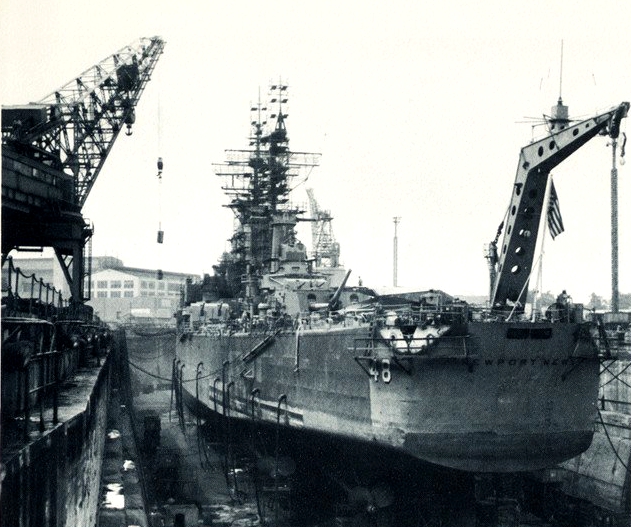
USS Clarence K. Bronson (DD-668) was a Fletcher-class destroyer commissioned 11 June 1943 — Pacific Theater WWII combat operations across the Solomons, Philippines, and Iwo Jima campaigns, then post-war service through 1958. Transferred to Turkey as TCG İskenderun.
The 12-entry equipment manifest below is sourced from ship-specific BUSHIPS (Bureau of Ships) documentation identifying machinery and equipment installed aboard. Each entry is documented equipment with verified manufacturer attribution — primary-source material for asbestos-exposure case development by Navy veterans and surviving families.
Equipment Manifest
| Equipment | Manufacturer | Qty | Notes |
|---|---|---|---|
| cruising turbine casing | DeLaval | starboard | |
| port reduction gear | DeLaval | starboard cruising turbine casing and port reduction gear | |
| boiler tubes | B&W | renewal of boiler tubes | |
| express boilers | B&W | inspection at NYCHAR | |
| Bushings | DDM5 Class/SIL-5(633-514-814) EWA2-11 | 15 Sept 1943 | |
| Rubider Stock | Comdtg. Oral. | 100% Comp. | |
| Pyrotechnic Projectors | Comdtg. Oral. | 0% Comp. No Material. | |
| Cold plastic anti-fouling paint, Haze Island Formula 143B | Bushps Bulletin of Ink | Apply in all salt water piping | |
| Fuel oil Duplex strainers | Duplex | 2 | Completely overhaul and test fuel oil Duplex strainers Nos. 1 and 2 Firerooms |
| General Electric Voltage regulator | General Electric | For No. 1 and No. 2 Generators | |
| Supply ventilation blowers | Comdts. Oral | Supply Valve and Forward Engineroom. Repair as needed. | |
| Resurfaced commentator and slip rings No. 1 and 2 | Comdts. Oral | Main Generator | |
| Automatic speed corrector | Comdts. Oral | On Gyro | |
| Emergency lighting relays | Comdts. Oral | ||
| R.D.F. clock | Comdts. Oral | Serial number 318405 |
Asbestos-Containing Materials Aboard Clarence K. Bronson
The standard asbestos-containing materials installed throughout U.S. Navy destroyers of this era are documented to have included:
- Pipe lagging and thermal insulation on main steam, feed-water, fuel-oil, condensate, and saltwater piping throughout machinery spaces
- Boiler block insulation, refractory brick, and gun-blocks around the main boilers
- Asbestos gaskets and braided packing in valves, flanges, pumps, condensers, heat exchangers, and turbine glands
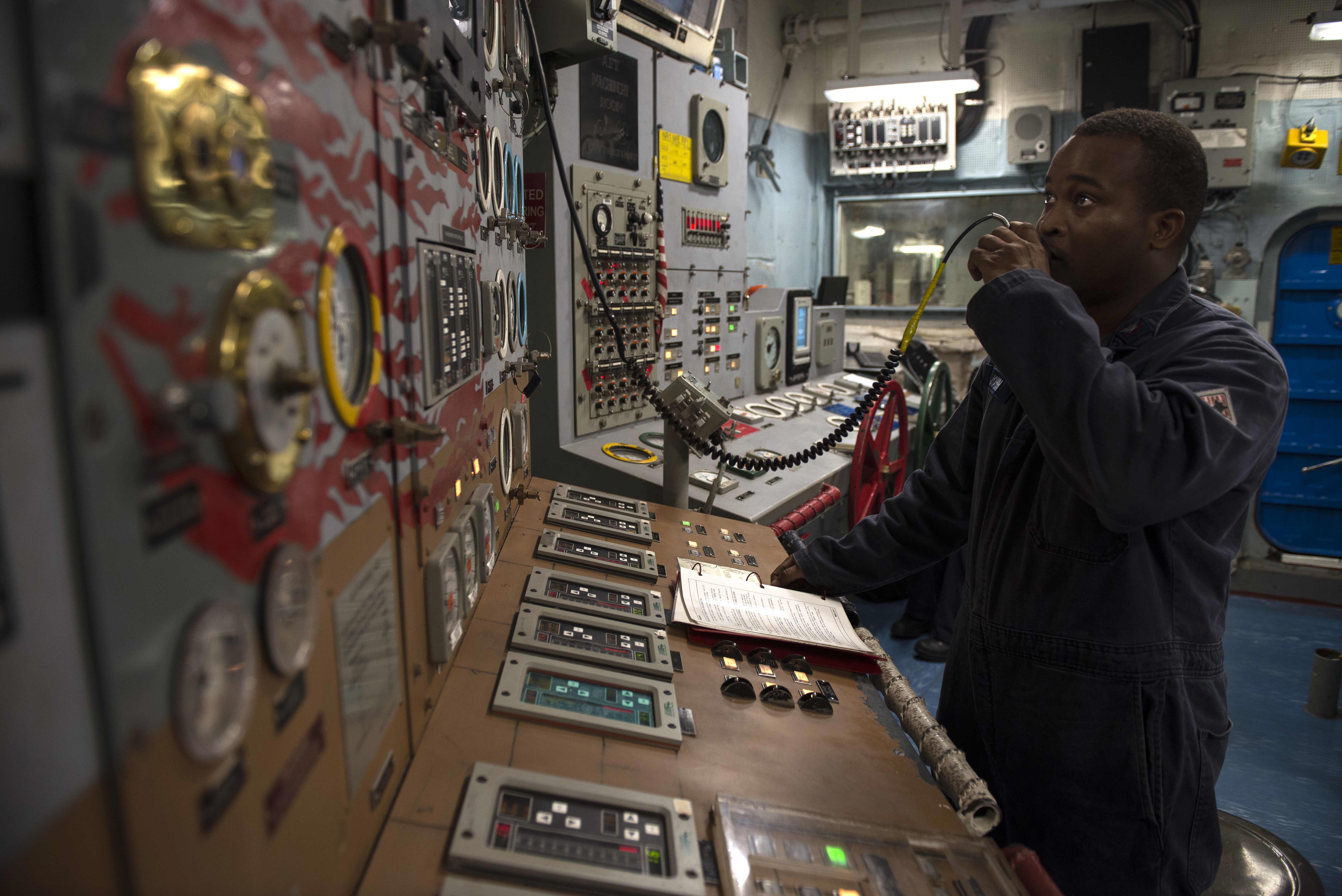
- Insulation jackets and removable lagging on main propulsion turbines, reduction gears, ship-service turbine generators, and forced-draft blowers
- Sheet asbestos and Marinite panels as fire-stops, bulkhead insulation, and overhead insulation
- Vinyl asbestos floor tile (VAT) in passageways, berthing, mess decks, and habitable compartments
- Asbestos rope, wick, and tape in gland-seal applications throughout the engineering plant
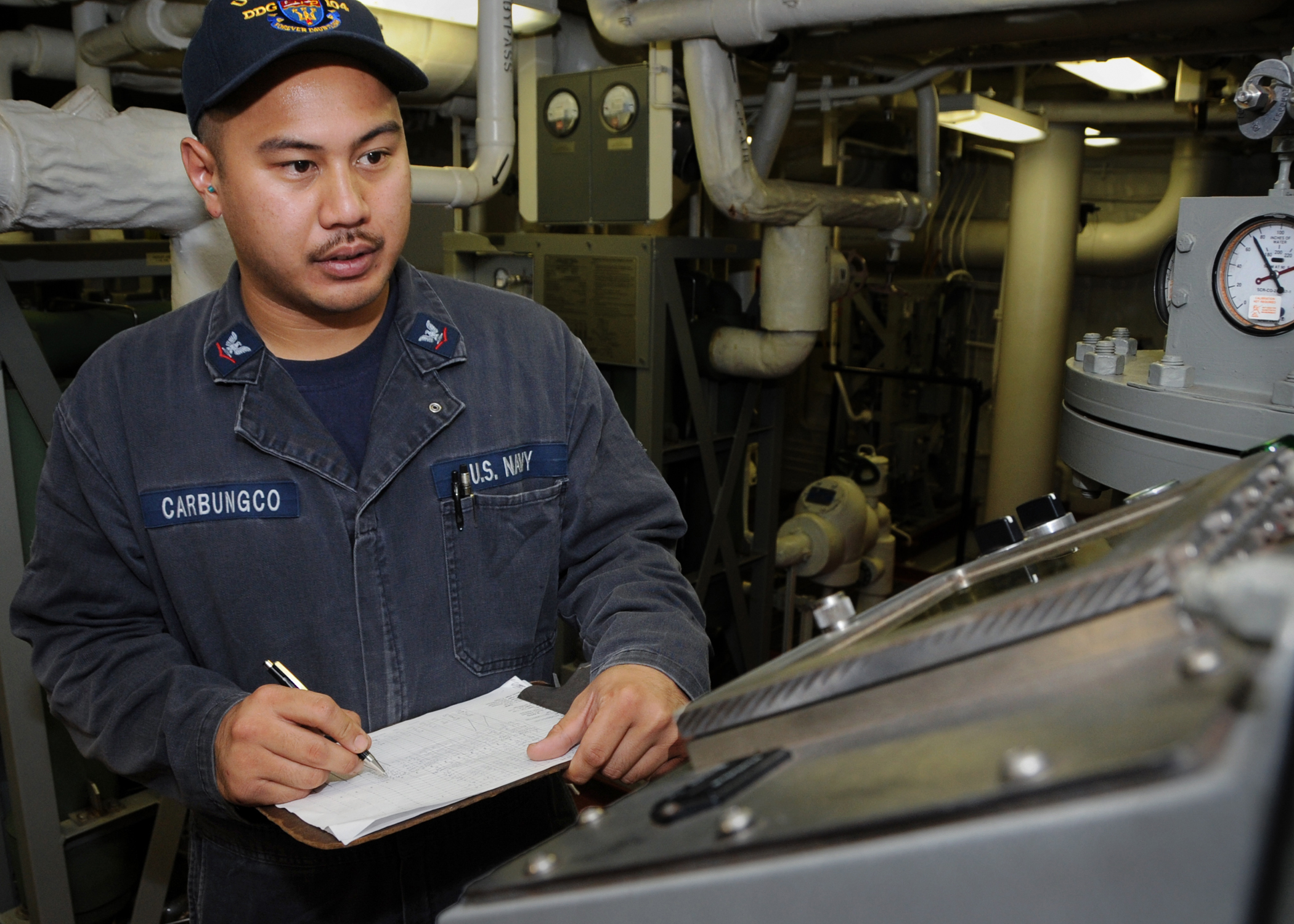
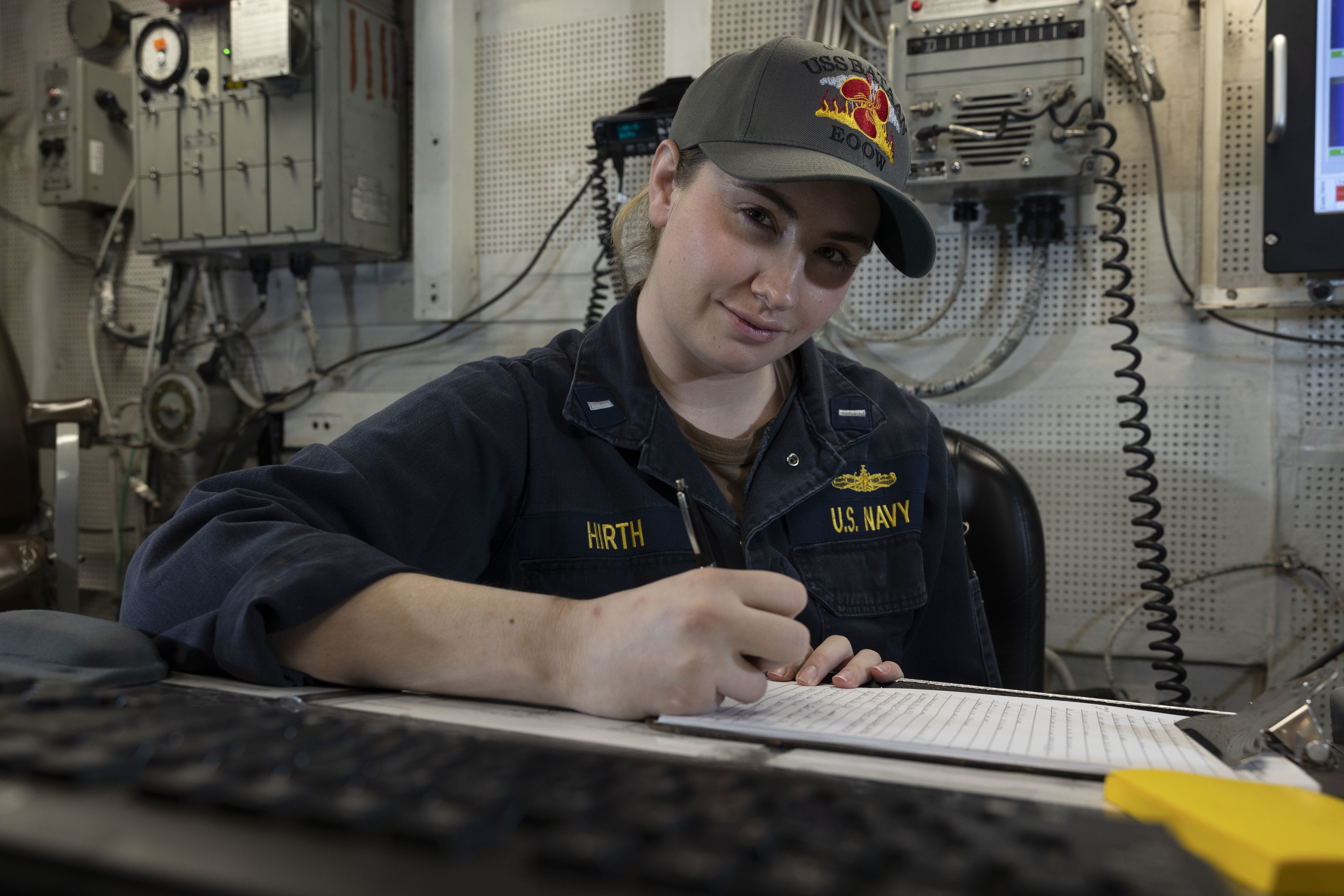
Sailors in Boilerman, Machinist’s Mate, Engineman, Electrician’s Mate, Hull Maintenance Technician, Damage Controlman, and other engineering ratings worked routinely in spaces where these materials were installed, maintained, ripped out, and replaced.
VA Benefits for Clarence K. Bronson Veterans
The Department of Veterans Affairs recognizes mesothelioma, asbestos-related lung cancer, asbestosis, and pleural disease as conditions that may be service-connected for Navy veterans with documented asbestos exposure. The Clarence K. Bronson equipment manifest is direct documentary evidence of the asbestos-containing materials her crew worked around throughout her service life.
Parallel claims against the asbestos bankruptcy trust funds established by the manufacturers of these products are also available, and do not reduce VA compensation.
Speak with an asbestos attorney with Navy veterans experience →
Equipment manifest derived from public-record BUSHIPS documentation specific to USS Clarence K. Bronson (DD-668). Manufacturer attribution links to documented asbestos-product histories on AsbestosIndex.com where available. Editorial review applied per site standards.
Fletcher-Class destroyer — Class Background
Ship-specific service history is not available for this vessel in public records. The class-level information below applies to all ships in her class. Source: Wikipedia — Fletcher-Class destroyer
The Fletcher class was a class of 175 destroyers built by the United States during World War II, designed in 1939 to address dissatisfaction with earlier destroyer types and commissioned between 1942 and 1944. These ships featured five 5-inch guns and ten 21-inch torpedo tubes, performed every assigned destroyer mission from antisubmarine to surface warfare, and served almost exclusively in the Pacific Theater during World War II, where they sank 29 Japanese submarines. After the war, some Fletcher-class destroyers continued service into the Korean War and Vietnam War, while others were sold to former adversary nations including Italy, Germany, and Japan.
Class Overview
- Total Ships in Class
- 175
- Construction Era
- 1942-1944
- Service Era
- World War II through Vietnam War
Class Mission & Role
General-purpose destroyers designed to perform antisubmarine warfare, antiaircraft defense, surface combat, and fleet support across long-range Pacific operations.
Primary Builders
- Multiple U.S. shipyards across the country
Class Combat Operations
- World War II Pacific Theater
- Korean War
- Vietnam War
Asbestos Materials in this Class
The article does not document specific asbestos use in Fletcher-class destroyers. However, standard pre-1980 U.S. Navy construction included asbestos in pipe lagging, boiler insulation, gaskets, and habitability spaces.