Submarine sailors served in the most asbestos-saturated working environments of any Navy rate. The confined volume of a submarine — pressurized hull, dense machinery, no fresh-air intake during submerged operations — meant that any asbestos fiber released during routine maintenance or damage-control work was breathed and re-breathed by every crew member aboard.
This page documents asbestos-related conditions aboard USS Lee and other Cold War-era U.S. Navy submarines, drawing on engineering drawings, period photographs, and crew-member-authored sketches preserved in the public asbestos litigation record. The drawings on this page were created by Paul Harden, ex-ET1(SS) (Electronics Technician 1st Class, Submarine Service), in the 1970s — depicting the spaces he and his fellow submariners worked in during their Cold War-era service.
Asbestos-Containing Materials Aboard U.S. Navy Submarines
Submarine sailors handled or lived around the following asbestos-containing materials in routine duty:
- Pipe lagging and thermal insulation wrapping main propulsion steam piping, auxiliary piping, hydraulic systems, and air systems throughout the boat
- Engine room and auxiliary machinery space insulation around diesel generators, air compressors, fresh-water stills, and refrigeration plants
- Reactor compartment shielding and machinery space insulation (on nuclear boats)
- Asbestos gaskets and braided packing in every valve, pump, and hatch gland — submarines have hundreds of high-pressure connection points
- Asbestos rope, wick, and tape in penetration glands and watertight seals
- Sheet asbestos and Marinite as bulkhead insulation, joiner-panel backing, and fire barriers throughout berthing, mess, and control spaces
- Asbestos-impregnated brake-band material on diving planes, control surfaces, and capstan brakes
- Cable insulation in electrical chases throughout the boat
Equipment Manifest — USS Robert E. Lee (SSBN-601)
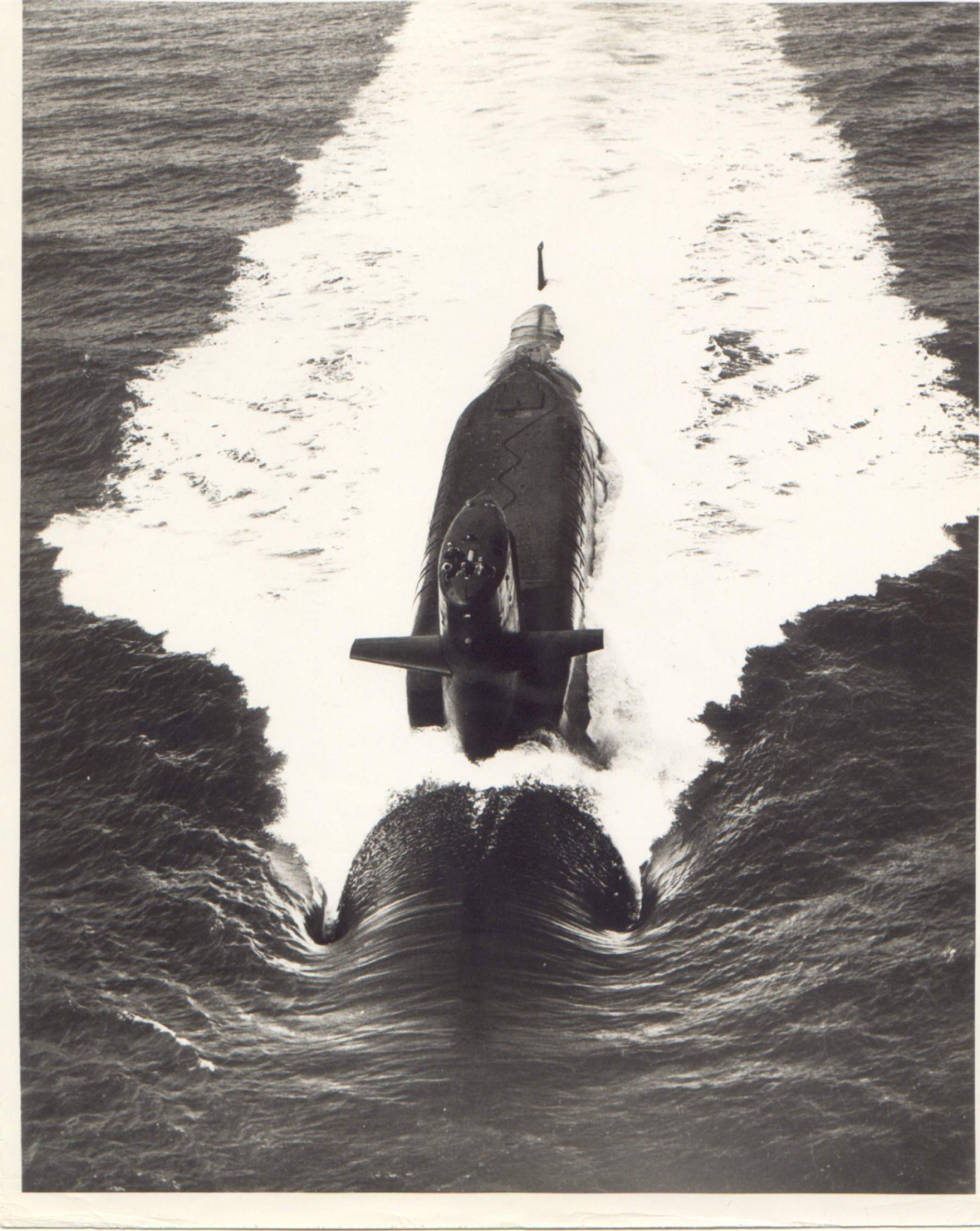
The 35-entry manifest below is sourced from ship-specific BUSHIPS documentation for the USS Robert E. Lee (SSBN-601) — a George Washington-class ballistic missile submarine commissioned 16 September 1960 and decommissioned 1 December 1983. Lee was one of the first five Polaris submarines and operated continuously from her commissioning through the late Cold War.
| Equipment | Manufacturer | Qty | Notes |
|---|---|---|---|
| Main Condenser | Foster Wheeler | ||
| Hovering System Pump | De Laval | ||
| Main Coolant Pump | Westinghouse | ||
| Main Hydraulic System Pumps | De Laval | ||
| Salt Water Pump (Reversible) | De Laval | ||
| Trim and Drain Pumps | Warren Pumps | ||
| Diesel Generator Set | Fairbanks Morse | ||
| Main Lube Oil Pumps | De Laval | ||
| Lube Oil Transfer Pump | De Laval | ||
| Lube Oil Hydraulic Pump | De Laval | ||
| Sea Water Pump | Worthington | ||
| Distilling Plant | Warren Pumps | ||
| H.P. Brine Pumps | Warren Pumps | ||
| A.C. Chilled Water Booster Pumps | Warren Pumps | ||
| Missile Tube Fresh Water Heating & Cooling Pumps | Warren Pumps | ||
| Snorkel De-Icing SW Pumps | Worthington | ||
| Main Feed Pumps | Ingersoll Rand | ||
| Clutch Control Oil Pump | Vickers | ||
| Missile Guidance Capsule Cooling Pump | Warren | ||
| Missile Water Recirculating Pumps | Warren | ||
| Auxiliary SW Cooling Pump | Warren | ||
| A.C. S.W. Circulating Pump | Warren | ||
| Lube Oil Service Pumps | De Laval | ||
| Shaft Lube Oil Pumps | De Laval | ||
| Lube Oil Purifier | Sharpies | ||
| Main S.W. Cooling Pump | Ingersoll Rand | ||
| Main Turbines | General Electric | ||
| Main Condenser & Air Ejector | General Electric | ||
| Diesel Engine | General Motor | ||
| Distillate Unit and Pumps | Buffalo | ||
| H.P. Air Compressors | Worthington | ||
| Distilling Unit | Emhart | ||
| Procession Gear Lube Oil Cooler | Ross | ||
| Spin Bearing Lube Oil Cooler | Ross | ||
| Hydraulic Oil Cooler | Ross |
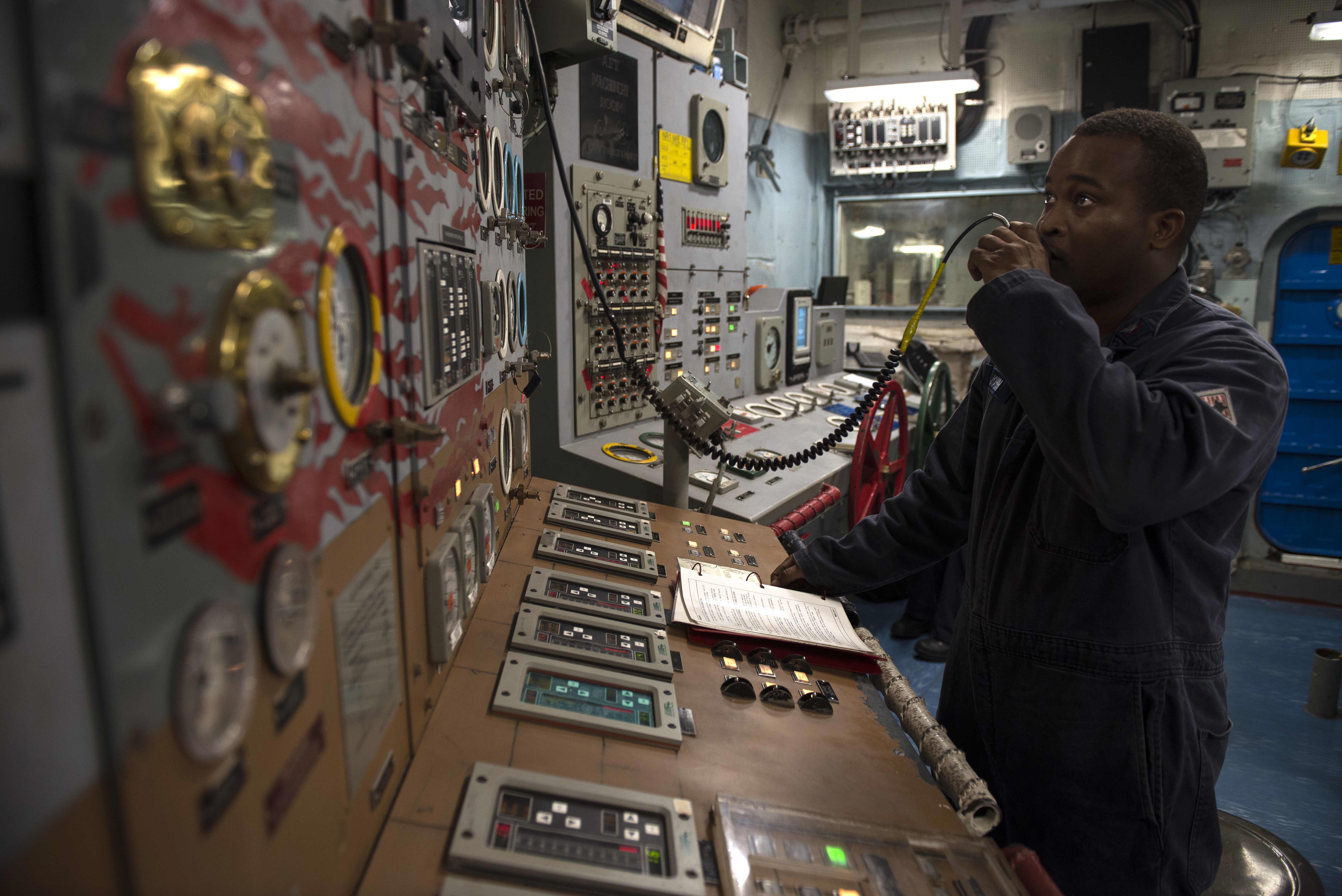
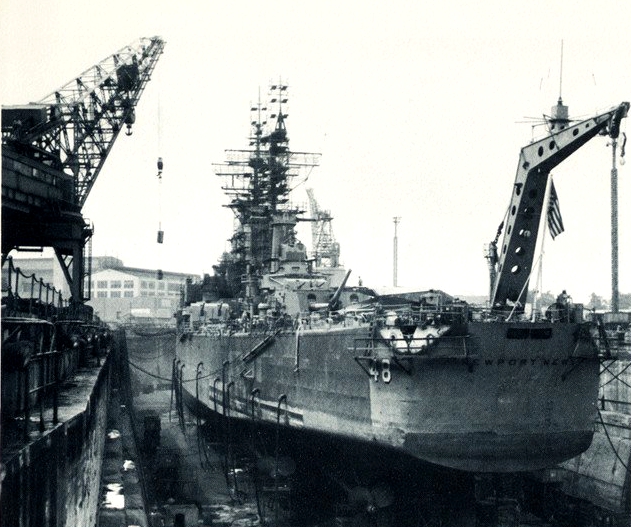
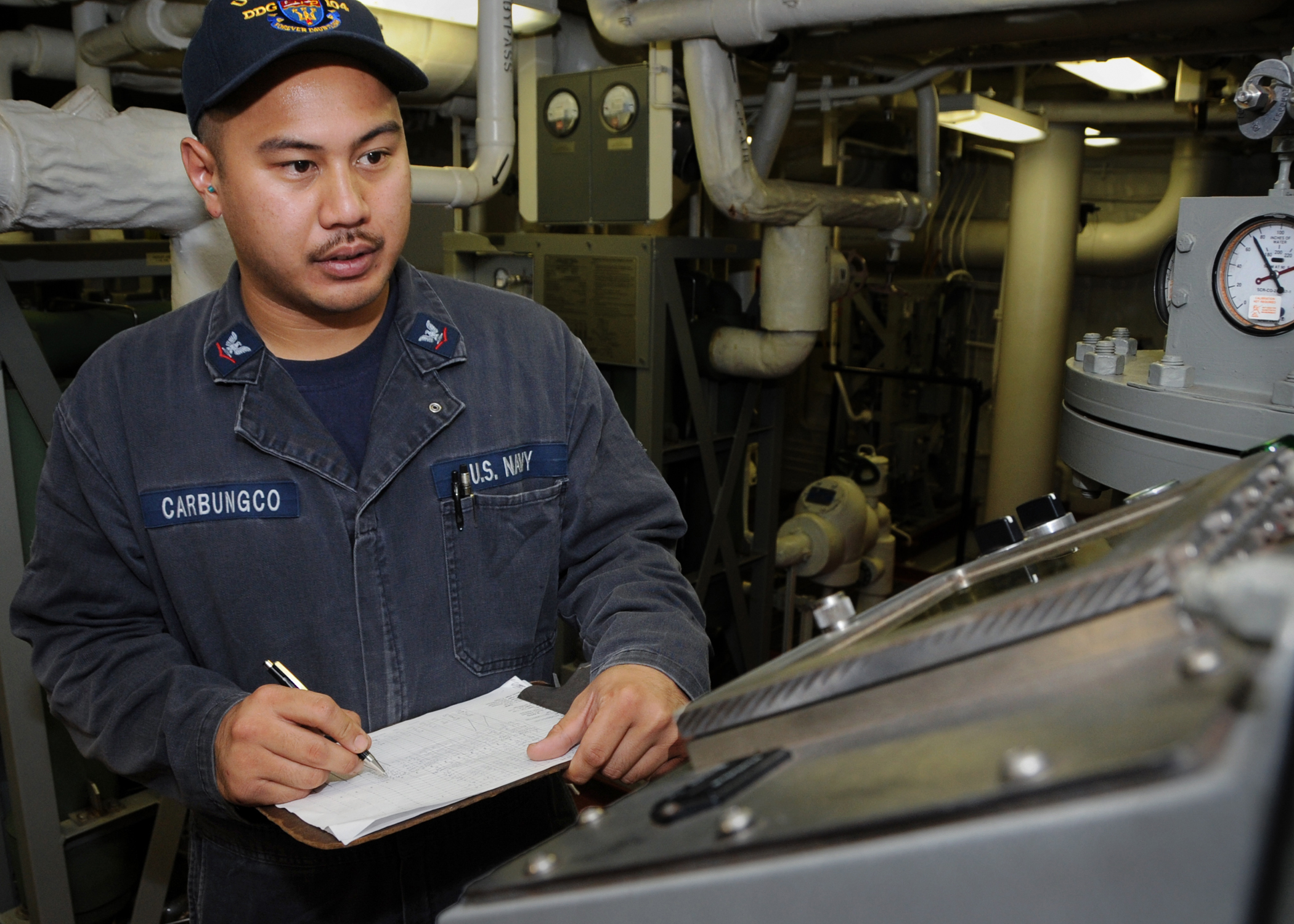
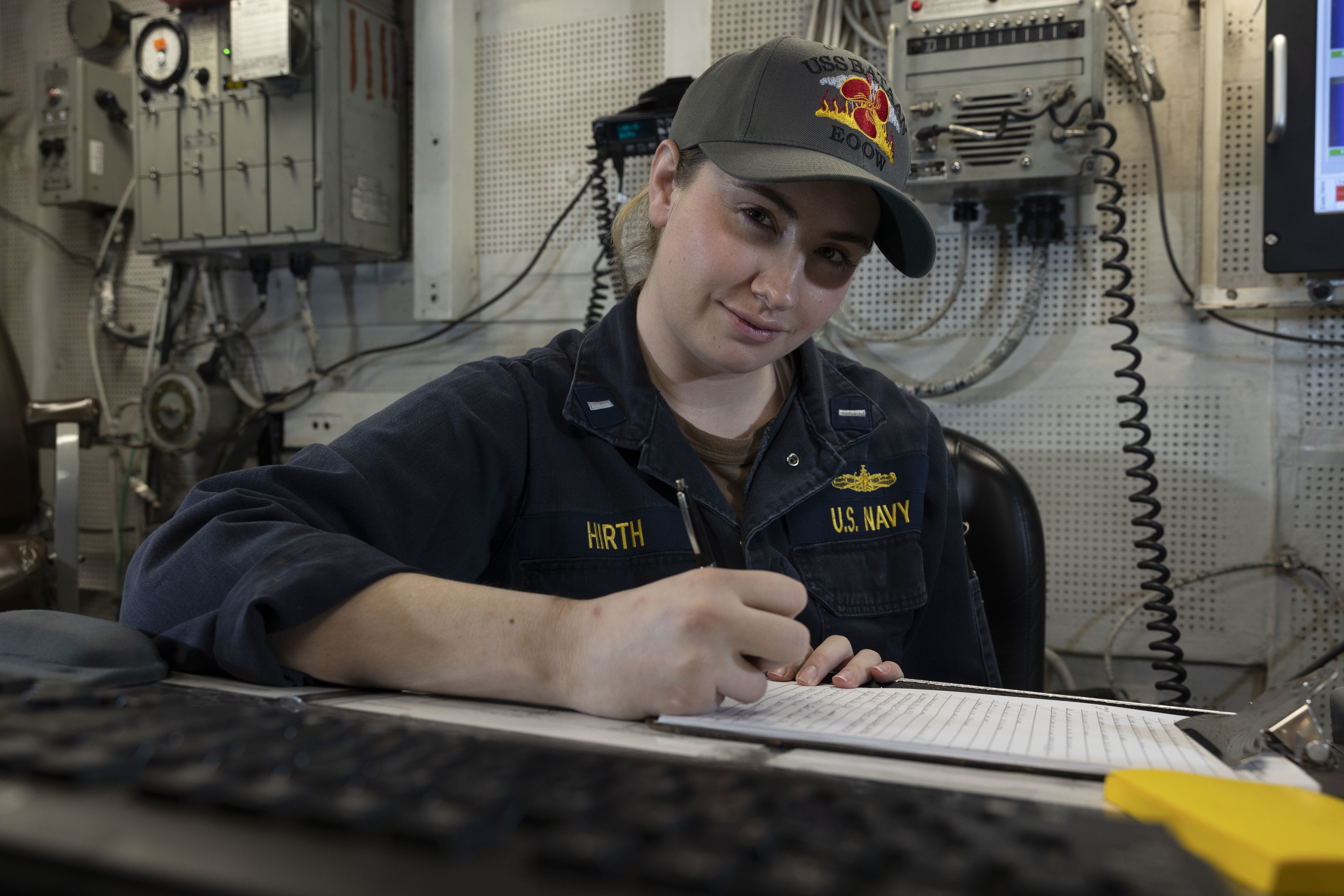
Photographic & Engineering Record
The engineering drawings below are credited to Paul Harden, ex-ET1(SS), drawn in the 1970s from memory of his Cold War-era submarine service.
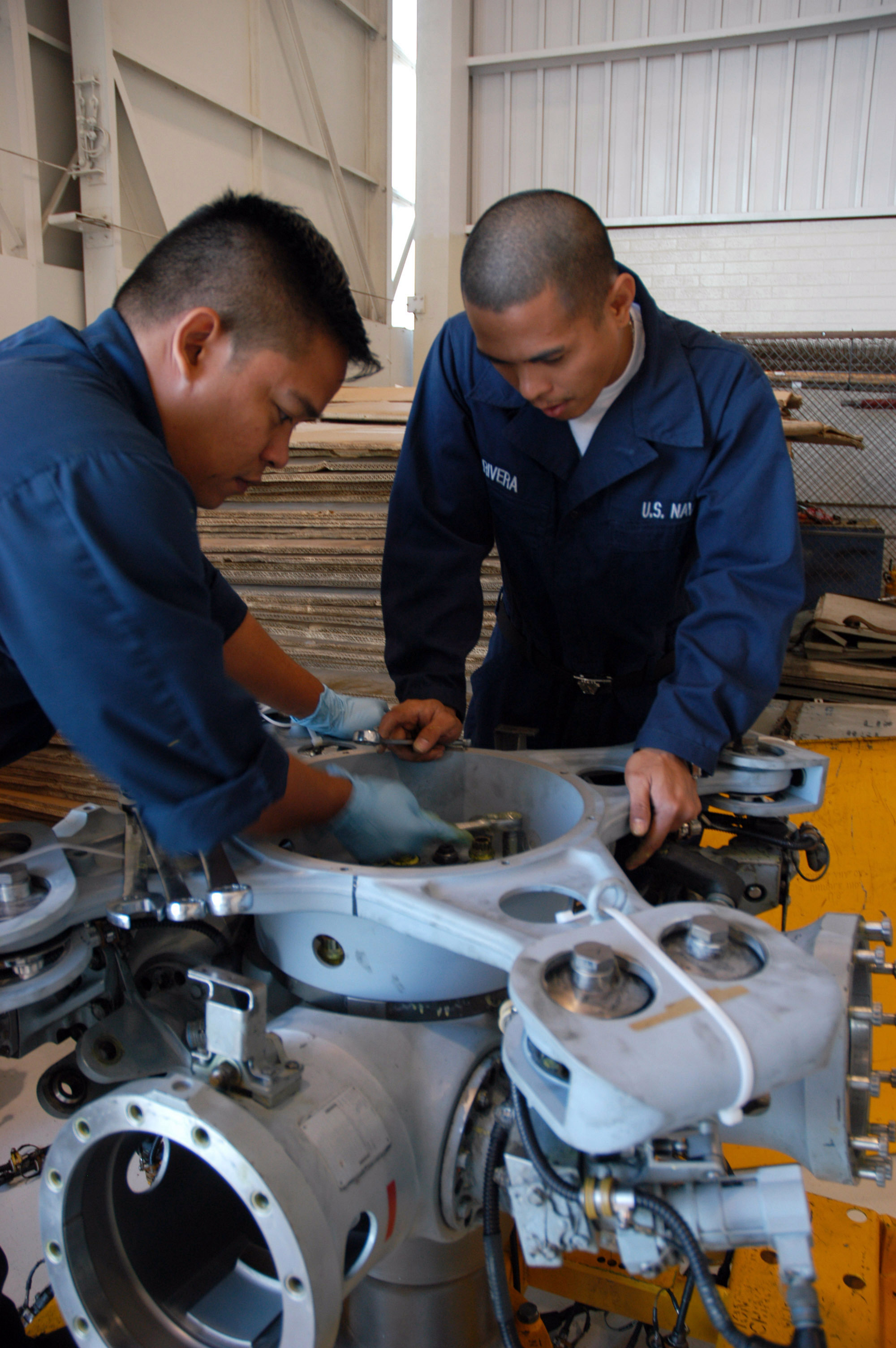
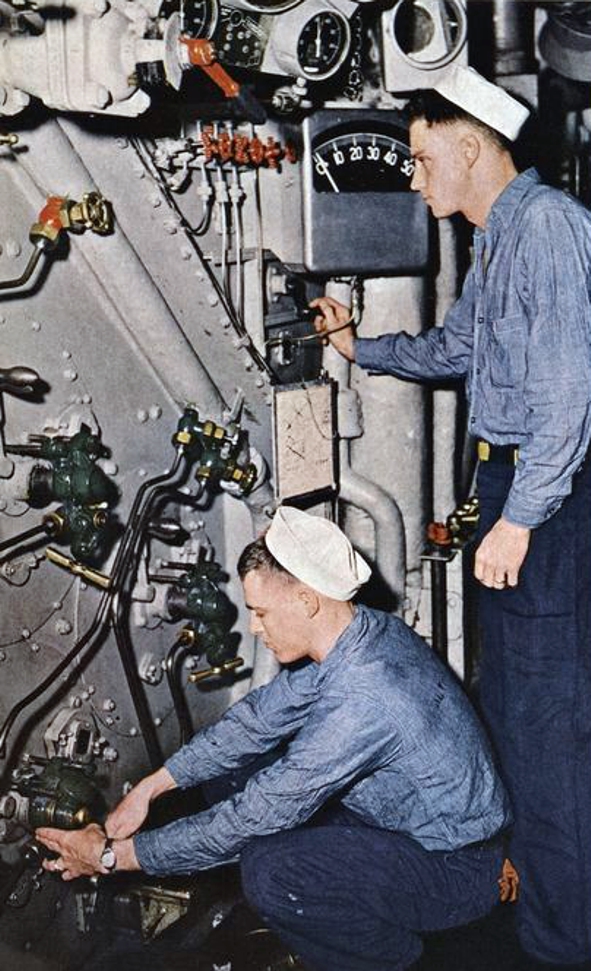
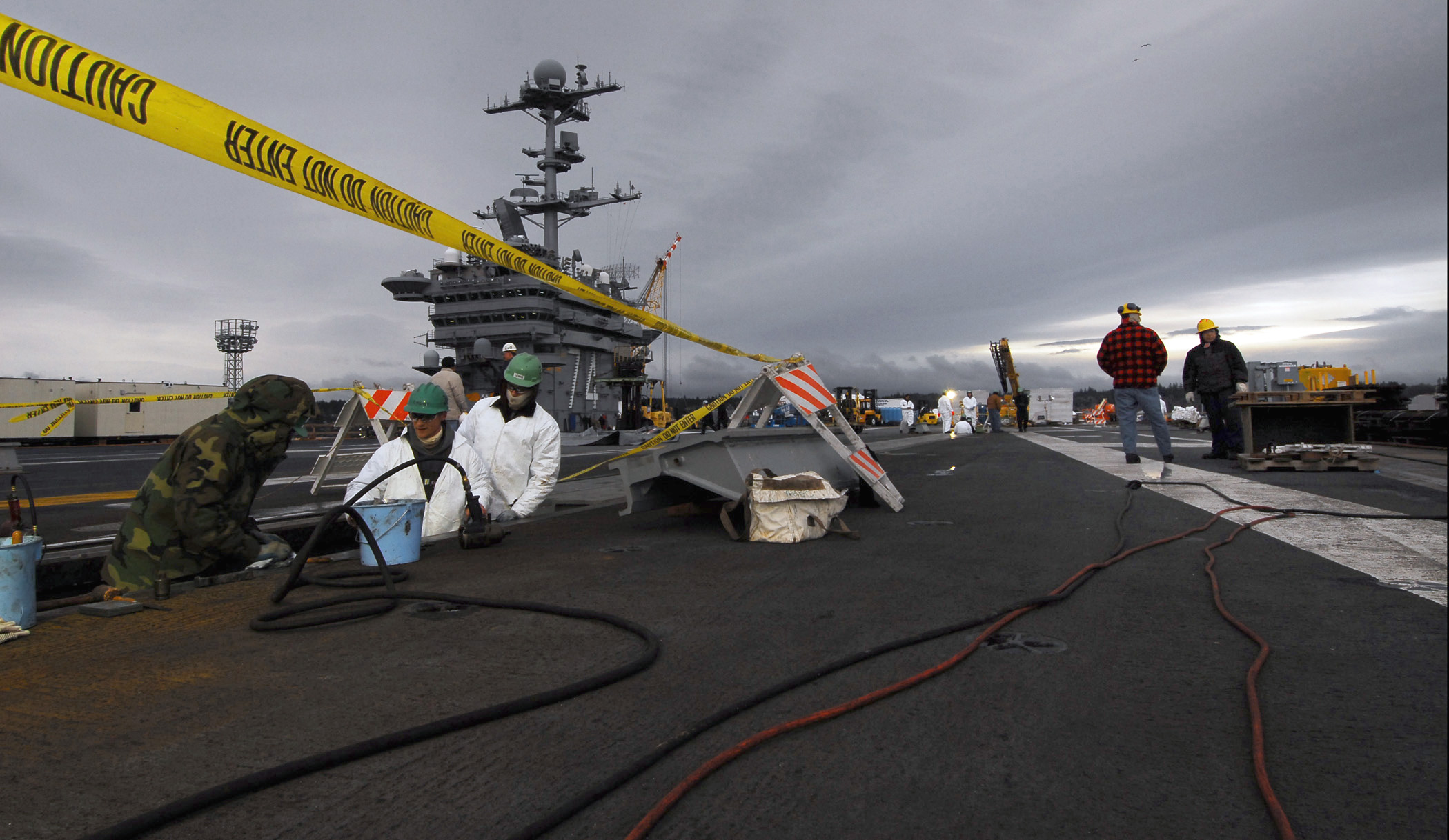
U.S. Navy manual and training-publication illustrations — U.S. Government work, public domain.
Why Submarine Exposure Was Different
In surface ship engineering spaces, ventilation can move asbestos fiber out of the immediate breathing zone. On submerged submarines, the ventilation is recirculated — fiber released during a gland repack, an insulation removal, or a brake adjustment stayed in the boat’s atmosphere until the next time the crew vented to atmosphere on the surface. For nuclear boats running submerged for weeks at a time, this meant continuous secondary exposure for everyone aboard.
The Navy recognized this risk relatively early; many Submarine Force veterans have direct knowledge of “rip-out” details where asbestos was being removed without modern PPE.
VA Benefits for Submarine Veterans
The Department of Veterans Affairs recognizes mesothelioma, asbestos-related lung cancer, asbestosis, and pleural disease as conditions that may be service-connected for Navy submarine veterans. Submarine ratings — including Electronics Technicians (Submarine), Machinist’s Mates (Submarine), Engineman, Electrician’s Mate (Submarine), Sonar Technician (Submarine), Torpedoman’s Mate (Submarine), and others — have documented asbestos exposure as part of normal duty.
Available benefits may include disability compensation, DIC for surviving spouses, priority VA health care enrollment, and special monthly compensation for severe cases. Parallel claims against asbestos bankruptcy trust funds are available and do not reduce VA compensation.
Speak with an asbestos attorney with Navy submarine veterans experience →
Engineering drawings on this page are credited to Paul Harden, ex-ET1(SS), 1970s. Photographic record sourced from the public asbestos litigation record. Watermarking and editorial review applied per site standards.